From the author
I Thought I Was Bad With Money

My name is Tessa.
For years, I'd get paid on Friday and feel anxious by Tuesday — not because I was spending recklessly, but because between rent, the car payment, groceries, and the occasional unexpected expense, the paycheck just disappeared.
I tried everything. Budgeting apps — abandoned after a week and a half. The 50/30/20 rule — impossible when rent already took more than 50%. Cutting subscriptions — saved $40 and was still stressed. Automatic savings that triggered two overdrafts and got canceled.
Every attempt ended the same way: the plan broke, and I blamed myself.
Then one Sunday — four days before my next paycheck — I checked my balance and saw $23. Enough for gas. Not enough for anything to go wrong. I sat with that number for a long time. Not panicking. Just done. Done pretending the next plan would be different.
That night, I wrote down one question: What does this paycheck need to do before the next one arrives?
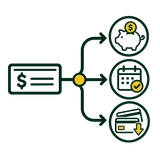
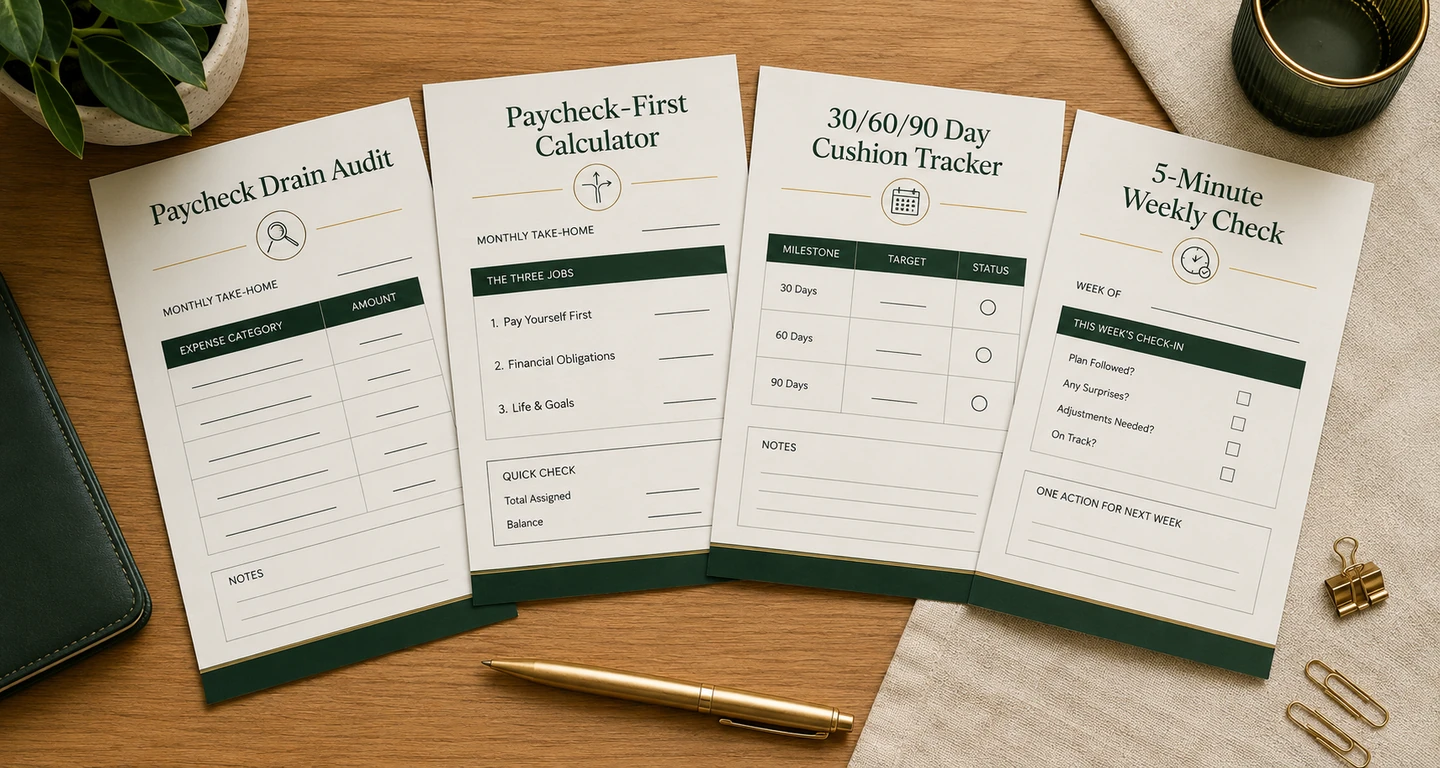
And then I answered it. Rent: move it on payday. Car payment: move it on payday. Groceries, insurance — I kept going until every obligation had a day and a dollar amount. What was left was the number I could actually spend freely. Not a budget. A routing plan. I started calling it the Paycheck-First Framework — money moves on payday, before behavior, before willpower, before anything can go wrong.
The first payday after I set it up felt almost boring. Predictable. And slowly — not dramatically — there was money left. Then a cushion.
I started sharing it with a few people in similar situations. Different incomes, different expenses. For them, too, payday stopped feeling like a crisis.
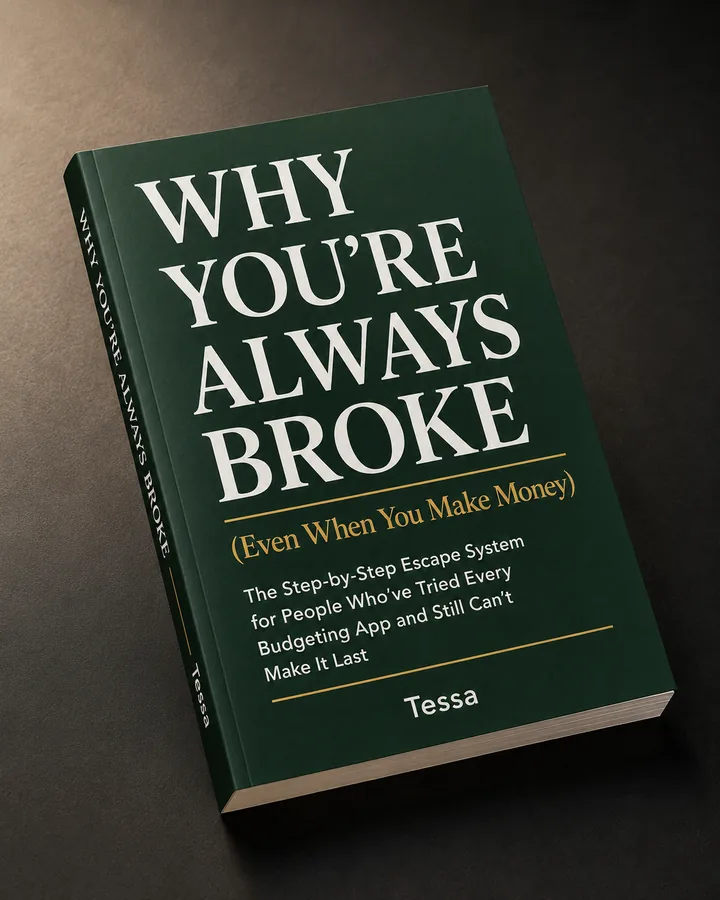
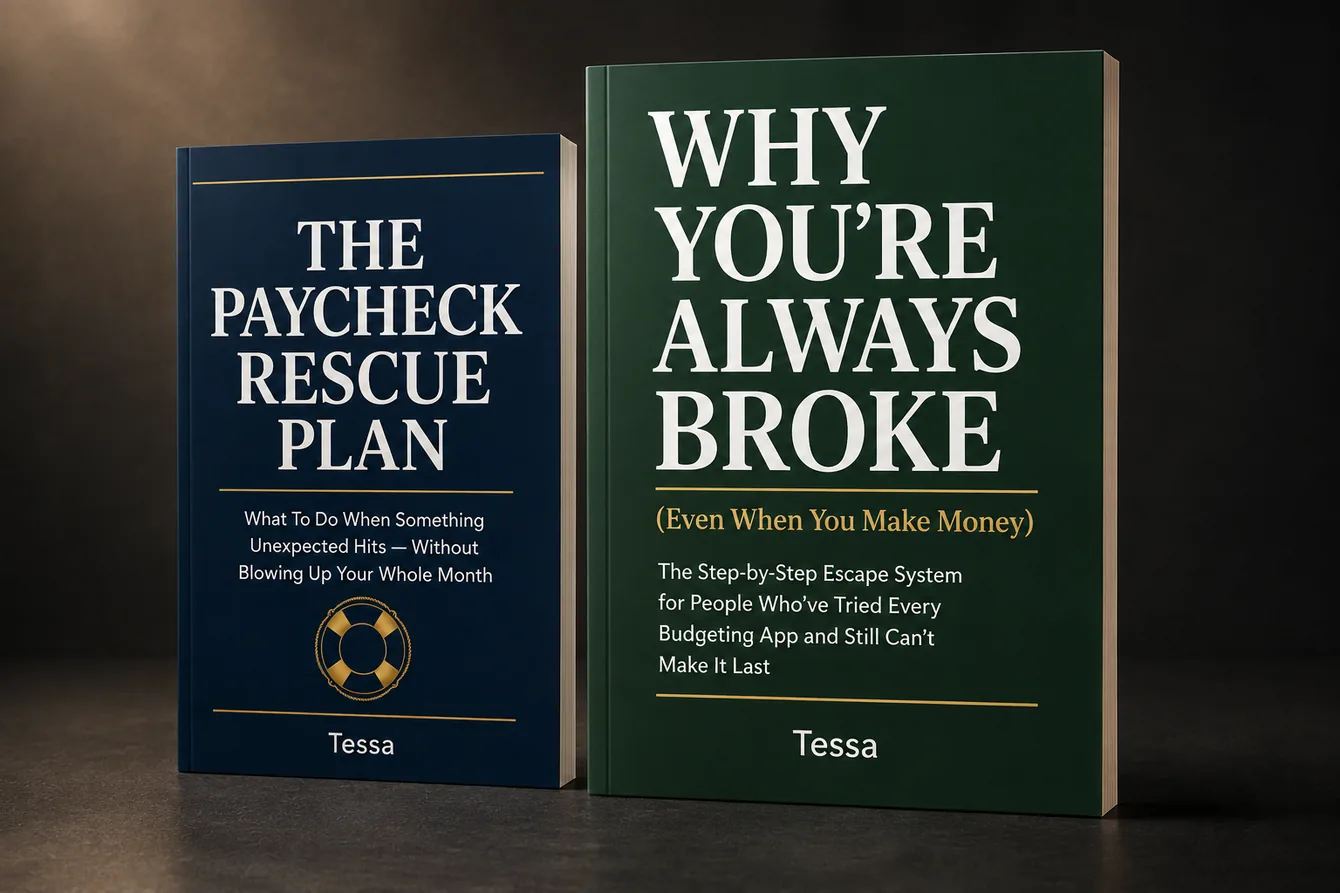
That's why I wrote Why You're Always Broke (Even When You Make Money). Not to lecture you about discipline. To give you the system that should have existed all along.
You're not bad with money. Let's prove it.
— Tessa